




My
Story

My
Story

How I Became a Coach
My journey toward a healthier, more authentic life — and ultimately, my work as a coach — began in my late 20s.
Since graduating from college, I had exclusively worked in sales and found myself running different variations of the same pattern: work, lift weights, and eat clean (or what I thought was clean) during the week, then party on the weekends. I would prepare all week to be ready for the weekend, only to spend those days wreaking havoc on myself with alcohol, drugs, and unhealthy food. After that, I’d have to recover. I would start the week sluggishly as I nursed my hangover, eventually getting back above water by Friday…only to do it all over again.
Unsurprisingly, I felt stuck and unsure of what to do.
At the time, I didn’t question it. It felt normal — like this was just how life worked. You push hard during the week, let loose on the weekend, escape for a bit, and then get back to real life.
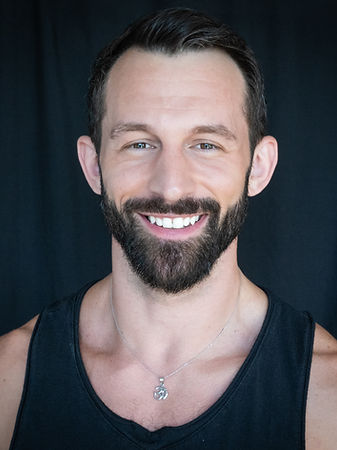

As I approached 30, I could no longer hide from the fact that something wasn’t right and I needed help. Eventually, I began working with a coach, and that’s when things began to shift.
For the first time, I spoke candidly about what was happening in my life, uncovering some unsettling truths. With his unbiased perspective, he helped me recognize the pattern I was stuck in and understand how I had gotten there.
With this newfound awareness, I eventually saw that alcohol wasn’t just part of the pattern — it was the thing keeping it in place.
As long as I was drinking, I couldn’t see clearly. I couldn’t face what was actually going on in my life. It gave me an easy way to escape — and kept me stuck in the same loop.
I attempted to reduce my intake and was successful at times, but the negative effects persisted. I knew I needed to stop drinking, but I didn’t know how.
Being well-liked and receiving validation from my peers was immensely important to me, and my confidence was tied to alcohol.
What would people think of me?
Would I still have friends?
What would I do for fun?
Who would I be without it?
These questions lingered for months until March of 2020.
On the first morning of that month, I woke up feeling as I had countless Sunday mornings before: hungover, tired, and a bit fuzzy about what had transpired the night before. Little did I know, that would be the last time I’d wake up feeling that way — it marked the beginning of a profound journey back to myself.
Later that week, I made the decision that would change my life.
Finally, enough was enough; I was done with alcohol.
A week later, the world shut down due to the COVID-19 pandemic. For me, it was a blessing in disguise. With no parties, bars, or social gatherings, I had a runway to adjust to life without alcohol before having to face my peers.
After just a week or two, I felt incredible — physically, mentally, and emotionally. My energy and mental clarity skyrocketed. I felt like Superman. I knew that this was the right path for me.
Then came the hard part.

With clear eyes, I took inventory of my life.
Without the usual escape, I had to actually face what I was feeling — without immediately trying to change it.
It was uncomfortable.
I realized I had no idea who I was. I felt isolated and lost.
But over time, something began to shift.
I forgave myself for my past. I began to trust myself. I learned to stay with what I was feeling instead of reacting automatically. I started to see the stories in my head more clearly — and they began to lose their grip.
Gradually, my need for external approval began to fade. I no longer felt the same pull to be who I thought others wanted me to be.
With that space, I tried new things. I discovered nature, yoga, meditation, and a love for learning. I found purpose — not by chasing it, but by being present enough to recognize what mattered.
I learned to keep the promises I make to myself.
I am by no means a finished product. I am still in process. The work continues every day and always will.
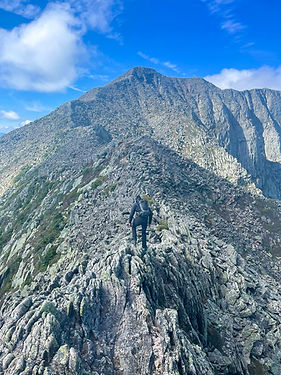
This is why I became a coach: to help others make meaningful changes in their lives — not by forcing themselves to be different, but by understanding what’s Really going on and changing their relationship to it.


